Main

April 14, 2008

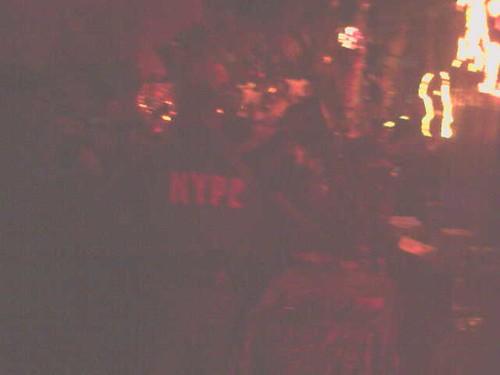
rubulad, RIP?

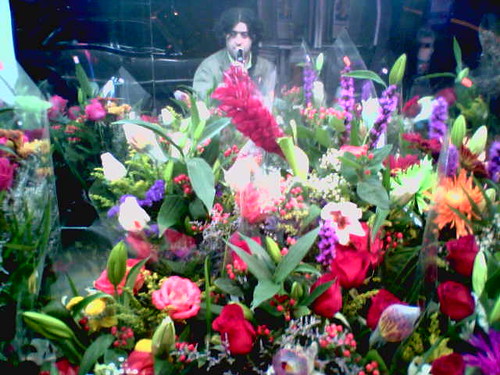
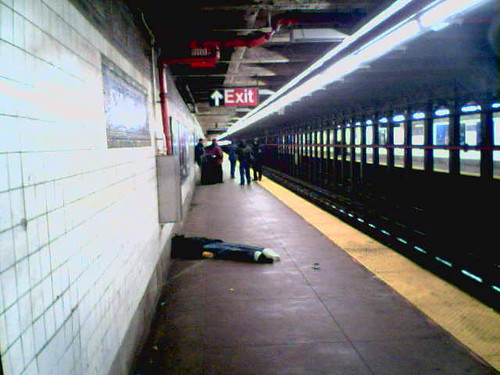
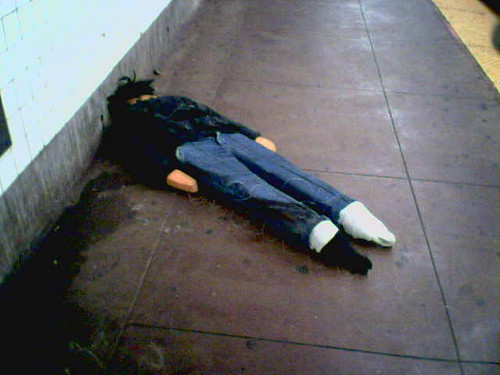
Busted, down on Classon Street. Quite possibly the end of an era.

I saw lots of other people with cameras. Anybody got any better pix? Or, y'know, information? (Some more info emerging in the BV comment section. Anything concrete would be appreciated.)

The NYPD hauling away the fun:

Le sigh.

March 11, 2008

albuquerque sunrise, 2/08

One last photo set of my last trip, before I head to Austin in the morning. Posting coming sporadically. possibly some blogging elsewhere. Maybe a few YLT setlists here. Who knows?

January 30, 2008

a screening room in the mtv building, 1/08


January 29, 2008

bourgwick blows off steam following the state of the union, 1/08

December 4, 2007

a stop in springfield, mass, 11/07


November 19, 2007

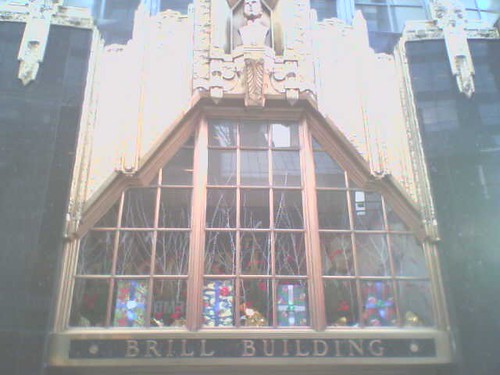
a screening room in the brill building, 11/07

Sometimes, I get to go to work in the Brill Building.


November 15, 2007

white light at the sunshine, 11/07


Just down the block from the late CBGB (itself an ex-flophouse bar) is the Sunshine Hotel, the last remaining men's flophouse on the Bowery. Gorgeously documented in Flophouse, the site next to the desultory residential hotel was, until recently, a vacant lot. As the velvet-roped clubs creep up the block, the anonymous cube of white light next to the Sunshine has a horrible logic, a constant reminder of the sheer inaccuracy of the flophouse's cheery name.

October 15, 2007

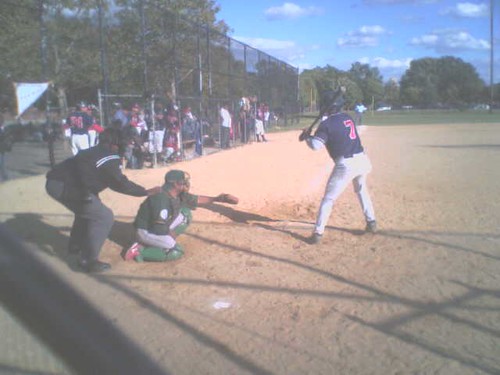
mexican baseball in red hook after all, 10/07

October 4, 2007

dylan in the distance, 10/07


September 28, 2007

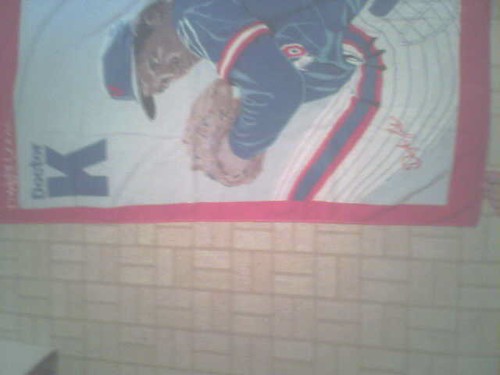
in which the spirit of doc gooden cries out for peace, love, and three more m'fucking victories through the medium of a beach towel, 9/07

September 20, 2007

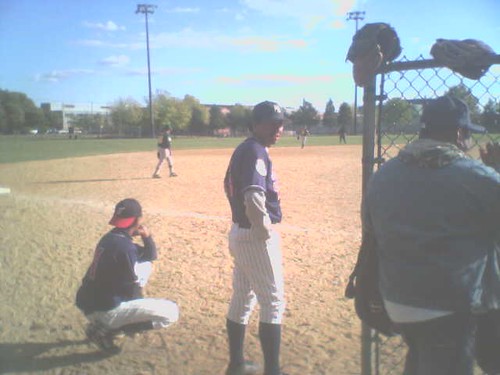
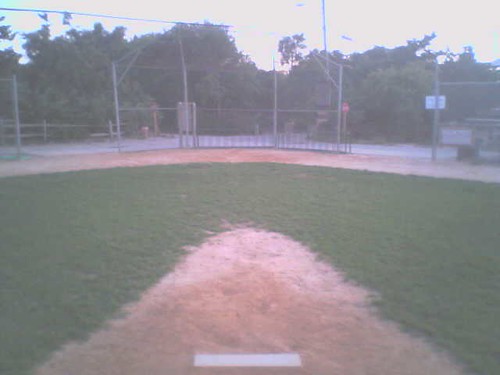
a baseball field on the last day of summer, 9/07

"The postseason is all about extending the summer," my friend Russ said last night, waxing philosophical sometime not long after I demanded the head of José Lima. For being the best, the World Series teams are allowed the pleasure of going to the ballpark day after day, reveling in the mechanics of routines they perfected in earlier, golden light, even as the leaves die and the sun changes.


July 16, 2007

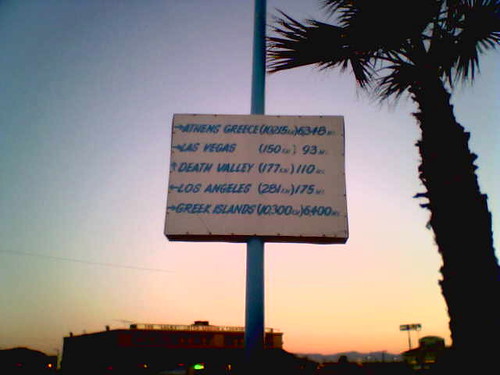
roadscapes, 7/07

July 2, 2007

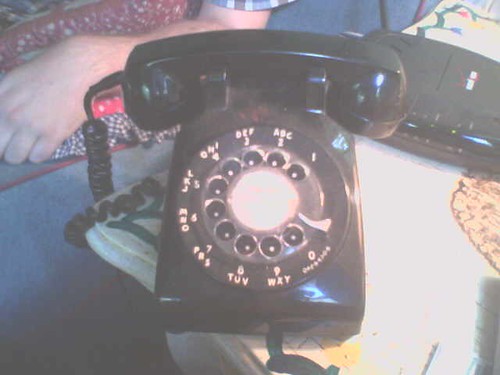
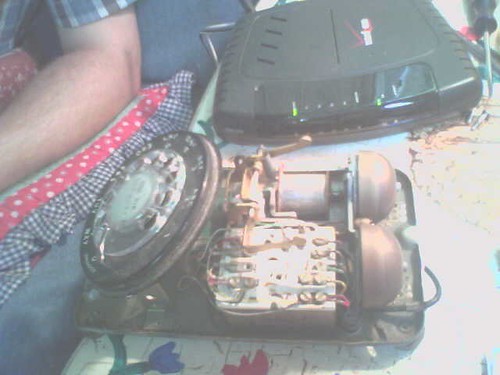
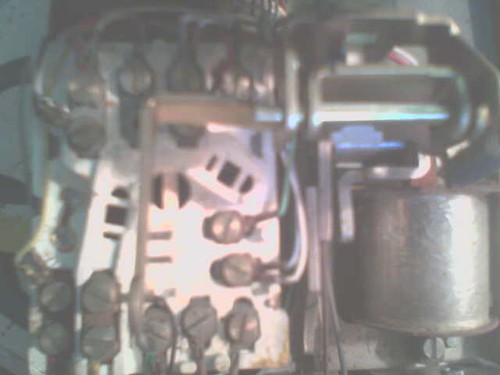
pictures of a rotary telephone still technically owned by the phone company taken by a cellular telephone owned by me, 7/07

June 12, 2007

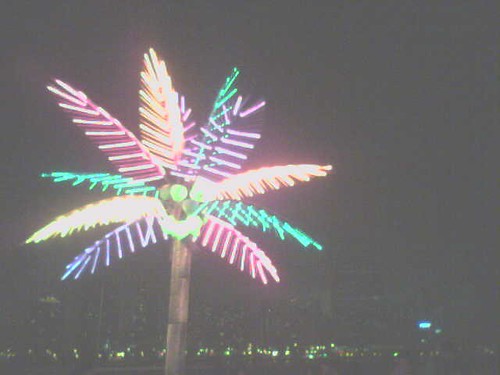
a neon palm tree found at an inexplicably fake beach on the banks of the east river, 6/07

June 7, 2007

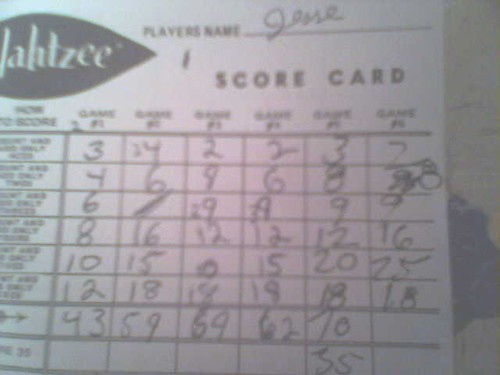
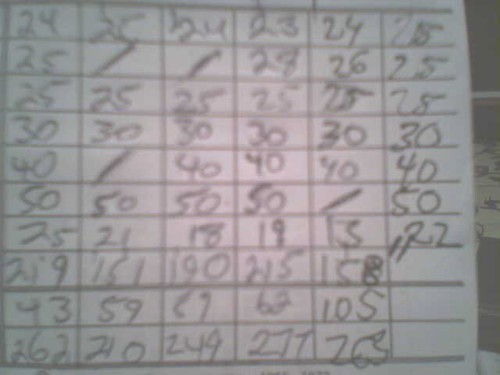
yahtzee, 6/07

Examples of my handwriting, 15 years apart. The right two columns are from 2007, the lefthand columns are from 1992. The 3s and 8s are loopier, and I was more inclined to write in cursive, but not many differences besides those. That said, the 2007 version doesn't really look (to me) like my normal handwriting anyway. Ah, the durress of Yahtzee.

June 1, 2007

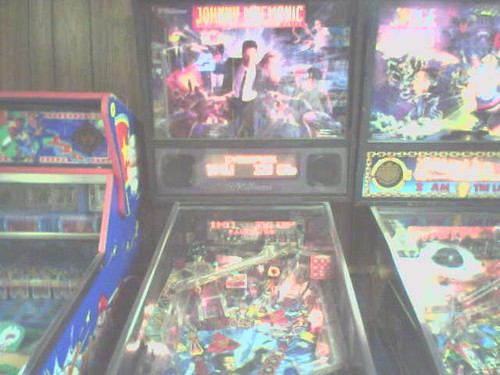
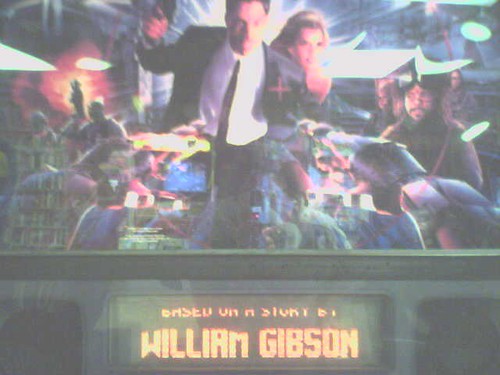
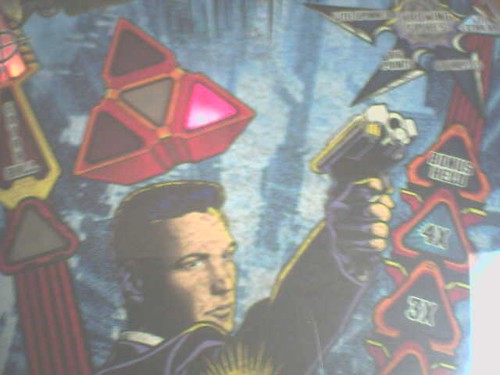
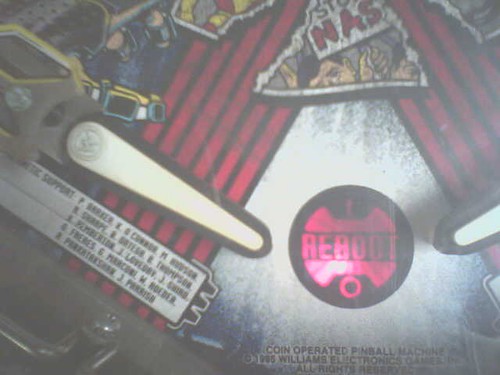
mnemonic pinball, 5/07

What a specific, weird window of time: when the internet and pinball machines co-existed, and fantasies of one could be channeled into the other. Specifically, 1996, with the release of Johnny Mnemonic movie.
(Also, Centipede finally broke.)

May 21, 2007

the lamps of ben-bow, 5/07

March 19, 2007

get ahead, 3/07

"Mississippi Half-Step" - the Grateful Dead (download here)
recorded 20 October 1974
Winterland Arena - San Francisco, CA
from The Grateful Dead Movie Soundtrack (2005)
released by Grateful Dead Records (buy)

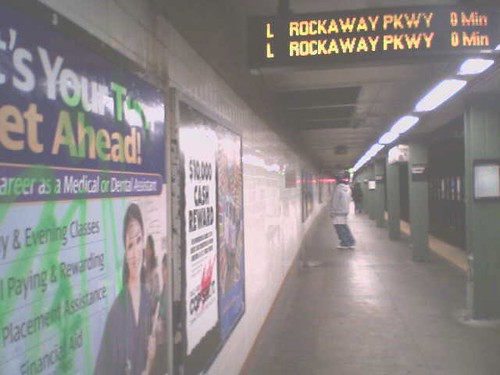
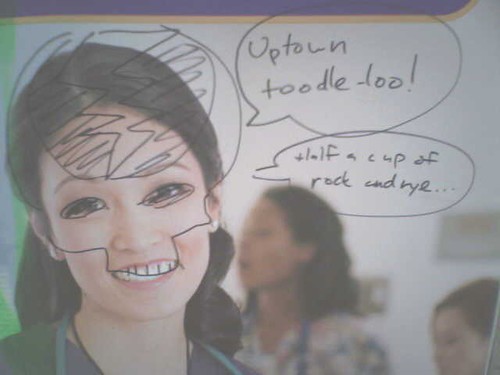
Even in deepest Williamsburg, Deadheads survive, here leaving their mark on the Brooklyn-bound platform of the Lorimer Street L-train station. Definitely a WTF?, but I'm glad the Deadheads are taking back the streetz. Or, as Boomy reminds: Dead Freaks Unite!

February 1, 2007

the moon

I'm kind of sick, so instead of a real post, here's an indistinct picture of the Moon I took while lying in bed the other night.

January 19, 2007

"puzzlin' evidence" - talking heads & 1986 nlcs, game 6

"Puzzlin' Evidence" - Talking Heads (download here)
from True Stories (1986)
released by Sire (buy)

(file expires January 20th)

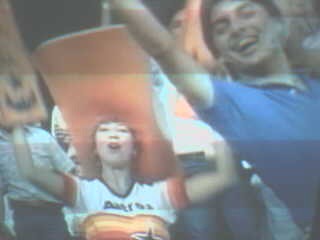
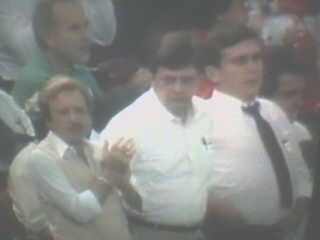
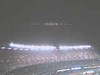
Watching 20-year old baseball games is way more fun that I'd suspected. In the case of Game 6 of the 1986 National League Championship Series, a 16-inning epic between the Mets and the Houston Astros, the overarching drama yielded dozens of miniature entertainments. Framed by the hyperreal green of the Astrodome's Astroturf and its roof's impressionist light slats, there was the simple pleasure of watching the 1986 Mets operate. There were small moments: Keith Hernandez making a routinely amazing grab deep in the hole, and flipping effortlessly to Roger McDowell, covering first. And there were the crowd shots, flickering portraits of the same characters that populated David Byrne's True Stories, shot and set in Texas that same year.

The first picture, perhaps, is titled: the Starting Pitcher's Wife in the Top of the 9th. In this case, the starting pitcher was Bob Knepper, working on a two-hit shut-out against the Mets who -- moments after this shot -- pinch-hit with Len Dykstra, who would triple to deep center, thus beginning a three-run rally that would result (seven innings later) in the Mets' clinching of the pennant. But she didn't know that.

December 18, 2006

washington square park arch & night, 12/06

December 15, 2006

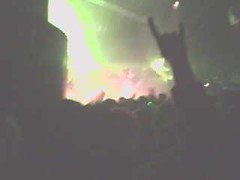
gwar!

(And speaking of cams at shows...)

"You fucked my girlfriend with a cellphone!" said GWAR's Number One fan, upon encountering the band in Hell, shortly before they chopped into him and he squirted the sixth or seventh round of fake blood on the audience. Before that, though, the band clarified: "We didn't fuck your girlfriend" (pause) "...we raped her. And it wasn't a cellphone. It was a phone booth." (Cheers.) Then blood. Like every between-song skit -- which also included Adolf Hitler, Arnold Schwarzenegger, George W. Bush, and Jewcifer -- it was scripted with the obvious punchline: cover the audience in some kind of fluid. There was also a fake cock and a lot of fake cum.

"There used to be a lot more blood," said my friend, who'd seen GWAR "10 or 20 times." "It used to start gushing as soon as they hit the stage. It was a lot better." He'd never seen GWAR -- who celebrated their 20th birthday last year -- in any place larger than Irving Plaza, the small ballroom where we saw them tonight. It makes sense. After all, any bigger and the blood cannon (placed at crotch level and operated by a dude in a leather thong) wouldn't be able to reach the back of the room.

Besides the wall of tee-shirts and branded underwear at the merch table, there was also a veritable metal record store. Besides discs from GWAR and their two openers, there were also long cardboard cases filled with their brethren like Cannibal Corpse, Cattle Decapitation, Born Into Pain, and Destroy Destroy Destroy. It was a one-stop subcultural shop.

GWAR have been doing this for twenty years. With their anonymity-granting costumes -- which resembled, well, bad guys from Teenage Mutant Ninja Turtles -- they could tagteam members for generations (if they haven't already). GWAR could still be playing in decades, when metal feels quaint, like bluegrass does to us. One can never underestimate the power of being covered in fake blood, though. If being covered in sweat is the sign of an authentic ecstasy, then GWAR do all the work, virtually guaranteeing that anybody who wants to can have a literally physical, visceral experience. And that is a pretty good concept for a band.

December 13, 2006

manhattan holidays, 12/06

December 11, 2006

on cell cams at shows, cont: western keitai

In the introduction to Personal, Portable, Pedestrian: Mobile Phones in Japanese Life, a fascinating collection of academic essays (mostly translated from Japanese), Mizuko Ito defines keitai networks:

In contrast to the cellular phone of the United States (defined by technical infrastructure), and the mobile of the United Kingdom (defined by the untethering from fixed location) (Kotamraju and Wakeford 2002), the Japanese term keitai (roughly translated, "something you carry with you") references a somewhat different set of dimensions. A keitai is not so much about a new technical capability or freedom of motion but about a snug and intimate technosocial tethering, a personal device supporting communications that are a constant, lightweight, and mundane presence in everyday life.

Maybe, the relentless clicking of cell cams at shows constitutes part of what might be described as Western keitai. That is, along with mp3s both financially and corporeally devaluing recorded music, it is possible that concerts are slipping into the realm of the day-to-day. Taking pictures, then, isn't an attempt to capture anything momentous, but to simply mark the occasion, like a diary entry. And, sure, maybe that's a defiling of live music as sacred ritual/spectacle, yadda yadda yadda, but it's probably time for a change, anyway. Wouldn't wanna be late for the future, after all.

December 8, 2006

on cell cams at shows

My first reaction to Tom Cox's "Don't film it, feel it" editorial in the London Times was annoyance. And, after thinking about, it still is.

I get Cox's point: if people are spending the whole shows taking pictures on their phones, they're not listening. Admittedly, it's frustrating. A few months ago, I saw my friend's band, the Rolling Stallones, play at CBGB. During the opening act, a gaggle of girls up front spent literally 20 minutes taking pictures of each other in front of the stage. I don't think it was even for the purposes of documenting themselves at the soon-to-closed venue. It was just obscenely narcissistic.

But were the girls taking pictures of each other really going to be "listening" to the show, anyway? Going to see live music is about far more than just the music coming out of the speakers, otherwise you wouldn't fork your money over and you could just stay at home and listen to the stolen mp3s. It's a social act, with all the attendant relationships.

Though I'm a big proponent of cell cameras, I almost never take pictures at gigs. But that's just me. Even though there are tons of differences, I associate their use at shows with the act of smuggling a cheap cassette deck in to make a bootleg. The content is different, even the action is different -- cell cams being condoned, bootlegs being, well bootlegs -- but I think it's the same impulse. The resultant tangle of Flickr pages, MySpace and Facebook pictures is obviously ephemeral. But so is live music. That's sort of the point, right?

It all seems like a way of engaging with the music. And by "the music," of course, I mean everything besides the music itself: one's friends, the rest of the crowd, the band, the club. In an age where one's relationship with music is more complex than just listening to albums and going to shows, it's sometimes good to be able to locate herself in the noise.

Of course I was annoyed by the girls at the show. It wasn't because they were taking pictures, though. It was because they just wouldn't shut up. But that's a much older problem.

November 3, 2006

well, i'm glad they're selective about what they sell dept.

Looper in the Dark will continue next week...

October 19, 2006

phew (nlcs, no. 6)


Of all the major professional sports, baseball is easily the one with the most physical inactivity. That is, with the exception of the pitcher and catcher, most of the players are still far more than they are in motion. In that, it is also the professional sport best suited for lingering close-ups on players' eyes. Resultantly, though perhaps I am saying this as one who never developed a taste for any other sport, it also seems the game with the greatest potential for articulated drama. It is not a coincidence, I don't think, that the majors are known as The Show.

In terms of creating a genuine, truthful response from as large an audience as possible, mannered dialogue brimming with double-entendres and clever plot devices is always going to be working at a handicap compared to the evenly distributed nine innings of a playoff game. Storylines are ending, developing, and beginning, though not even the characters know which ones. Only the unwritten ending can contextualize the true meaning of the two-out rallies that begin on botched catches (as the Mets pulled in the 7th tonight), or advances that are temporarily halted (like a massive Carlos Beltran throw to the plate that prevented Juan Encarnacion from tagging) (though So Taguchi drove him in, quite futilely, on the next at-bat, anyway). Nobody knows the meaning, especially not going into game 7, but we've all got our suspicions.

October 13, 2006

return to the upper deck (nlcs, no. 1)


Keeping score is a Braille record of the game, feeling the innings and statistics stretch, one by one. It is something to hold onto, something deeper than the drunken mayhem of the far reaches of the upper deck. Out there -- even deeper than last time, now behind the stadium's speakers -- Ivan Neville's rendition of the national anthem is almost literally avant-garde. Whole notes form ill-fitting harmonies with those on either of side of them in the melody.

Even the echo of the bat is gone, as is the announcer. The scoreboard is an unreadable sliver. In the eighth, we figure out that Manny Mota is pitching because the name on the back of the jersey is short and the number is somewhere in the 50s. On my lap, the scorecard is a languid other-world, far from the chants ("En-dy C," "En-dy Cha-vez" and just "En-dy" all compete after a Ron Swaboda-like miracle catch) and the chill (which will surely be worse at future games).

The innings occasionally widen, only once filled with the black wedges that represent runs (Carlos Beltran's two-run shot in the sixth), and sometimes aberrations (Beltran's 8-3 double-play from centerfield to first base) (booya!), but mostly they roll by like a river and keep pulse: the heartbeat of a season extended nine more innings.

October 5, 2006

glavine works the third (nlds, no. 2)


the upper deck (nlds, no. 1)


The drama of the upper deck is all misinformation. High above the foul poles, the sounds ricochet, like Branford Marsalis's instrumental "Star Spangled Banner." It echoes from the PA towers, all neutered soprano sax. "You suck!" someone shouts, but most people just stand, shifting their feet. Elsewhere, noises delay and cross, owing to the sheer size of the arena, like the polyphonic "Let's go Mets!" chants that thunder at different tempos and from different starting points and collide like a Charles Ives orchestration. The chants, especially, are amazing: spur of the moment decisions by the collective, crunching names into a small library of flexible syllable patterns ("Car-los Bel-tran!" "M.V.P.!"). Sometimes, no consensus is reached, and the chants whither away like smoke (but not before more chaos).

Mostly, the game is far away and it is hard to see the ball. The mezzanine swallows the deep corner of right field itself. The crack of the bat is unreal, one sound in many. When the ball is hit in the air, it is like being thrust into an optical illusion, nearly impossible to tell if its movement is hard or soft, high up or just over the infielders' heads, or even fair or foul. Adjusted to the dimensions, the ball still lands in totally unpredictable places, like David Wright's bloop double into right in the seventh. A run scores, and the chanting starts all over again.

October 3, 2006

from a gas station on long island en route to grandma & grandpa's, 10/06


August 30, 2006

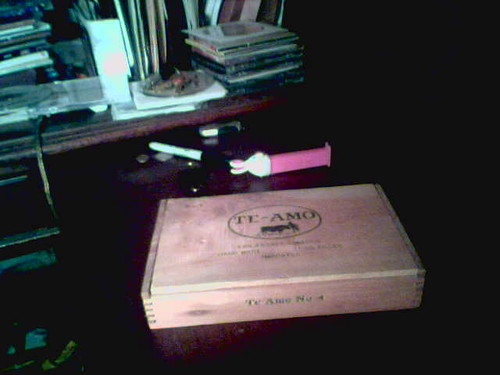
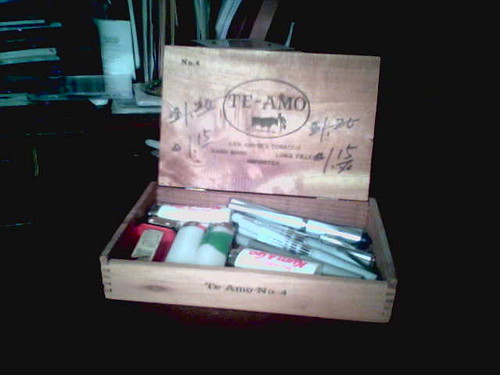
a box i own, 8/06

The odds that a lighter or a pen might survive to its natural end -- the diminishment of ink or fluid -- are pretty slim. They get pilfered, left at bars, lost in couches. It's no matter, they're cheap. Empty, they are often scarred.

June 19, 2006

the trippy-ass light box at the tank, 6/06

May 24, 2006

willets point, 5/06

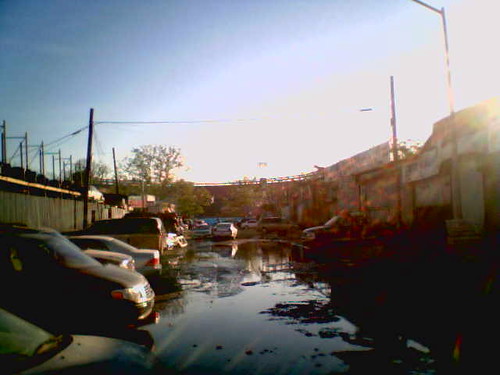
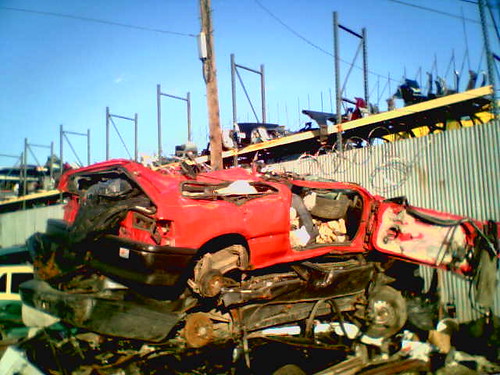
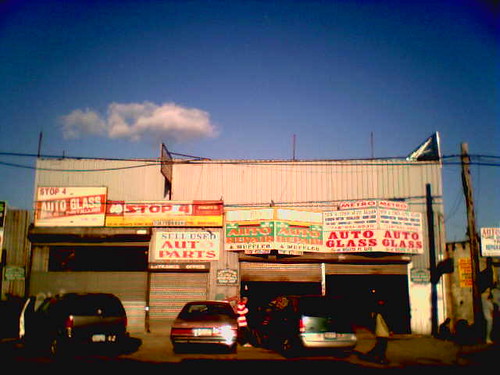
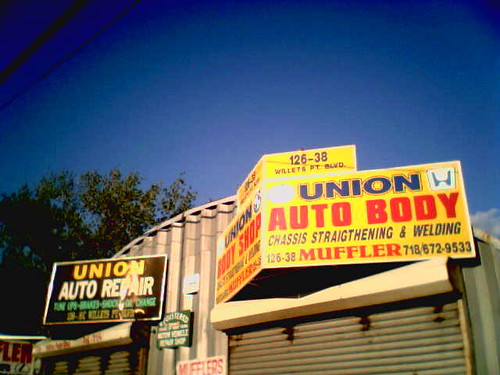
Walking from home plate at Shea Stadium, across second base, through the outfield, over the fence and to the other side of the parking lot, one arrives in Willets Point, a sprawling near-shantytown of car repair places. Before tonight's five-hour, 16-inning blowout victory against the Phillies, Tony and I wandered through Willets Point at Magic Hour. The roads were unpaved and riddled with puddles. There were chop shops, pre-fab warehouses, body specialists, and lots filled with tires. Tony said it felt like being suddenly transported to a third world nation. He wasn't wrong. It was pure urban anarchy.

When the Mets' new stadium goes up in a few years, it's a sure bet that somebody will have some whizbang revitalization plans that will involve the removal of the unsightly car repair places (the cheapest in the boroughs, supposedly) currently clogging up valuable waterfront real estate. For now, though, the scrap metal glows in the Queens County sunset.

You can see Shea's upper deck in the distance...

May 22, 2006

penn station, rush hour, 5/06


May 8, 2006

a day at the races, 5/06


...an accidental experiment in extra-miniature New Polaroidism...


April 26, 2006

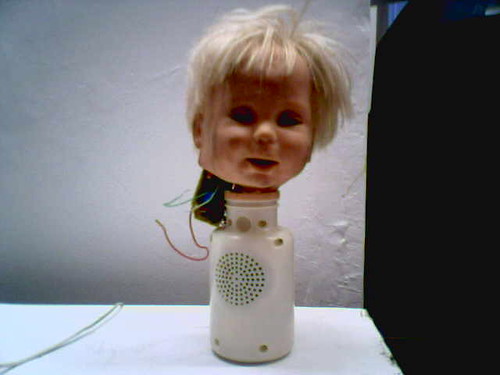
circuit bending festival, part II, 4/06


April 24, 2006

circuit bending festival, 4/06


April 18, 2006

eight o'clock, the lights are on at shea..., 4/06


April 14, 2006

museum of natural history, no. 3: the gem room, 4/06

One way the Museum blurs facts into emotional half-truths is through atmosphere. Ostensibly, the Museum is devoted to the scientific, but the theatrical presentation is extraordinarily important. My favorite example is the squid vs. whale battle in the Hall of Ocean Life, where a fake whale battles a fake squid in a dark display case with no glass between the viewer and the subject. But that's unphotographable, at least with my cell-a-roid.

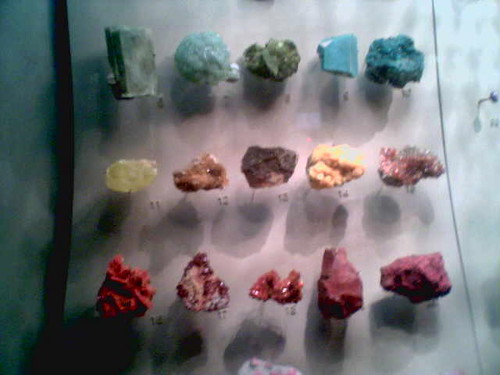
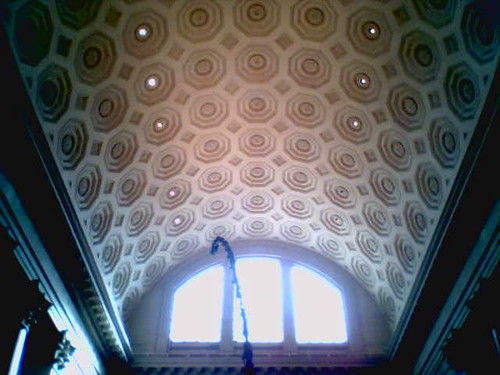
A close second, and another childhood favorite, is the Gem Room (which I think is actually called the Gem Room). It is dark and circular, with all kinds of ramps and nooks and miniature amphitheaters and artifacts you can actually touch. As a kid, the room felt like a respite, with numerous places to hide and sit (a welcome break for a young biped). Despite the obstacle course Rachel and I had to cross to get there, it still felt that way. I love the vibe of the room.

A few years ago, I made an ambient sound collage out of very quiet FM static and drone-organ designed to be listened to in the Gem Room (as well as with the collection of meteorites next door). Oddly, I still haven't actually listened to it there. It was called "A Clear Night."

April 12, 2006

museum of natural history, no. 2: ordovician snails, 4/06

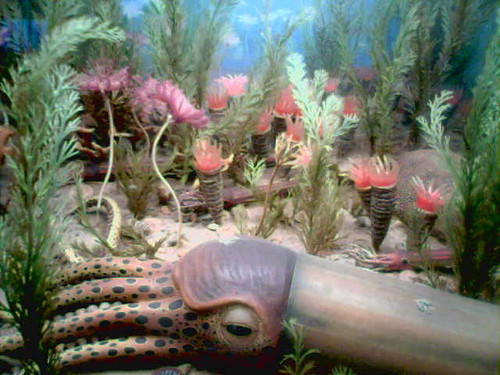
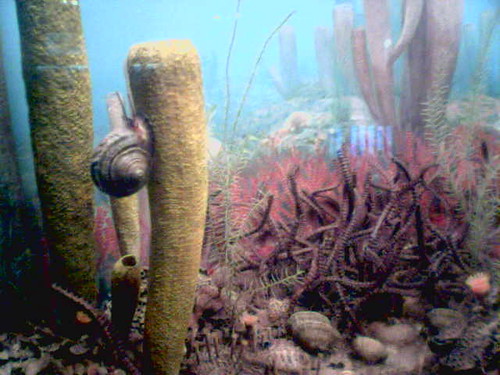
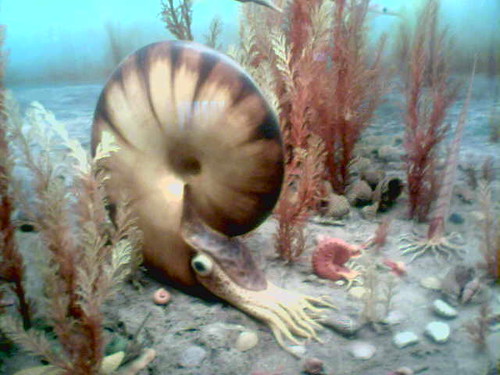
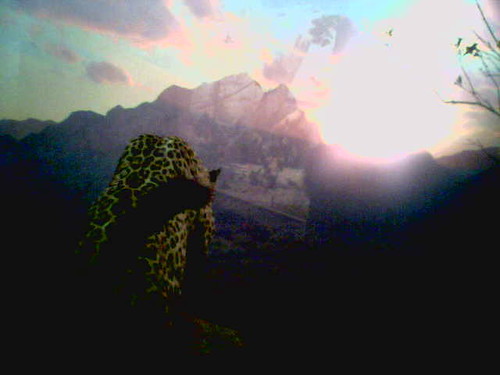
Museums, and especially the Museum of Natural History, are intended to be places of learning. We look at exhibits, read the labels, and are educated. But we are bombarded with facts, and they tend to blur into glorious half-truths. On the mezzanine of the Hall of Ocean Life (what my inner seven-year old still calls "the underwater room"), there are a bunch of dioramas of what the bottom of the ocean maybe/mighta/kinda looked like in a few different prehistoric ages (one of them being the Ordovician) in various places (one of them being an ocean over present-day Ohio). Dang if I can remember the actual facts, but I sure remember the wild colors. Have I been educated? Absolutely.

April 10, 2006

museum of natural history, no. 1, 4/06

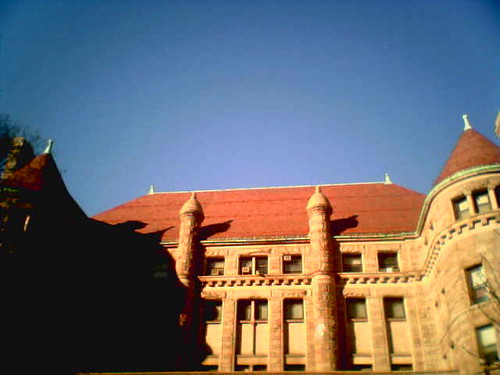
Last week, en route across town, a friend and I got stuck in rush hour traffic near Central Park. We hopped out of the cab, and walked across the park. Despite the warm weather, it was nearly deserted. The only people about were New York caricatures in garish jogging suits or walking hilarious dogs, all of us extras in a Woody Allen movie. Near the Sheep Meadow, the midtown skyline placid in the blue dusk, I felt transported to the timeless city that runs unchanging beneath the ever-shifting storefronts, advertisements, and neon. I might as well have been 12, visiting from Long Island. Today, the Museum of Natural History felt the same way.

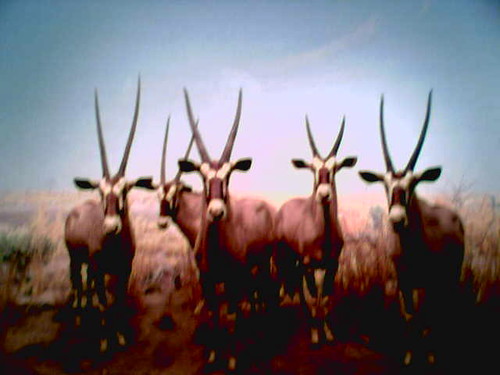
(As Owen and I once discovered, while the other stuffed animals in the dioramas are posed vaguely naturally, the gemsbok simply stare disarmingly back. They almost break the fourth wall.)

March 21, 2006

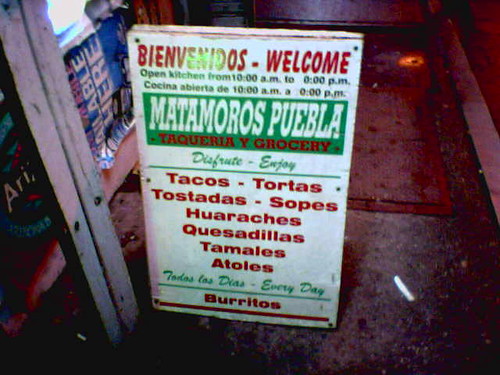
matamoros puebla, 3/06

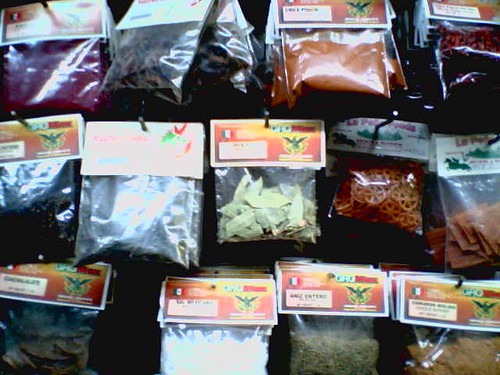
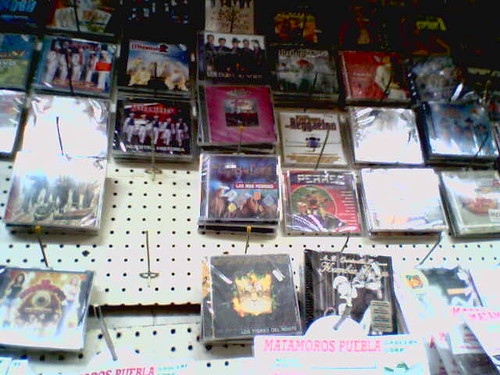
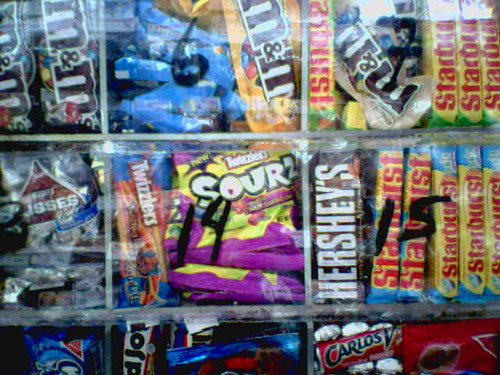
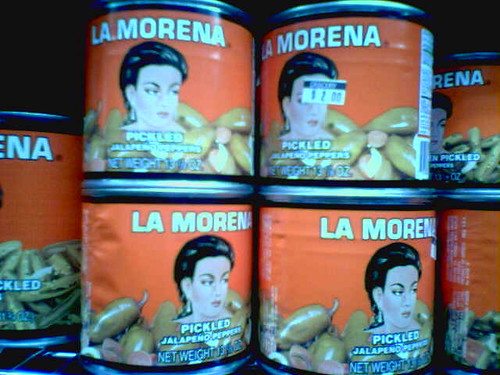
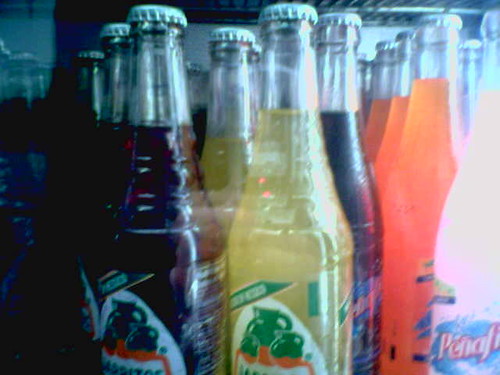
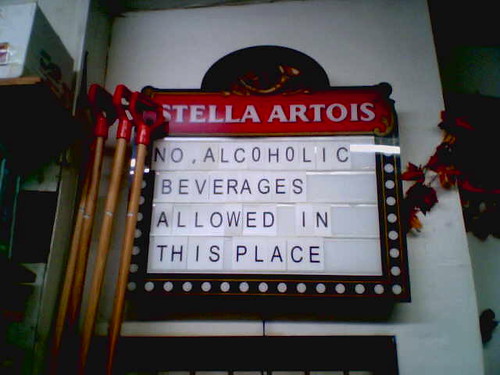
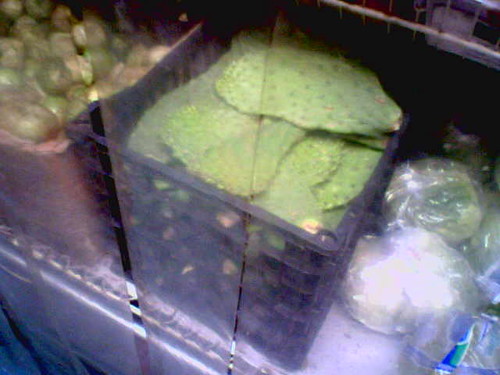
My old roommate Kristie and I discovered the secret bonus Mexican joint at the back of the bodega by accident one long ago afternoon. It's in Williamsburg, right on the main hipster drag of Bedford Avenue. The whole place is crammed with bric-a-brac: piñatas hanging from the ceiling, rows and rows of Latin CDs hanging on the wall, a box of sliced cactus in the dairy case, a numbered cubbyhole nook filled with candy, miniature nativity scenes tucked between the plexiglass and the cash register, refrigerators filled with neon Jarritos sodas, and (if you'll excuse me) damn fine tacos.

There's a generic red "FOR SALE" sign taped inside the front window. In the space where one is supposed to write a phone number or an asking price, somebody has simply written "store." I expect to go there for dinner one night and discover that it's been shut down, boarded up, and soon to be gutted for a boutique or fancy-ass eyeglasses shop. Each taco could be my last.


March 16, 2006

spring suceeds, 3/06

The weekend's proto-spring brought Polaroid blue skies, the kind that seem to rush down in greeting as you come out of the darkness of a subway station.

The moment after I took the picture, an MTA worker yelled at me. Taking pictures in the subway, after all, is illegal. You know, to prevent terrorism. It's a stupid law. I hope the illegality of the evidence doesn't hold back this shmuck from getting prosecuted.

March 14, 2006

talking heads: 75

Last week, Owen brought over a bootleg DVD of the Talking Heads performing in their original three-piece lineup at CBGBs in December 1975. Needless to say, I was bloody well psyched. What I wasn't expecting, and what I kind of enjoyed about it, was how bad it was. That's not meant as an insult.

If anything, it came as a relief. It's good to know that the Heads didn't spring from the ground fully formed. During this performance (filmed in black and white), in what appears to be a not-very-packed CBs, the band runs down their early repertoire. David Byrne looks incredibly nervous, far from the charismatic frontman he'd become. Tina Weymouth, though not staring at her feet, doesn't look much more assured.

The only member of the band who looks (or sounds) remotely comfortable is Chris Frantz, who holds the half-formed songs together with remarkable panache. Even "Psycho Killer," which pre-dated the Heads' existence, isn't quite done. The killer bassline is there, but Byrne doesn't have the phrasing of the "fa fa fa fa fa fa fa fa"s finished yet.

With hindsight, one can see where the music would go, how those weird guitar patterns Byrne plays are his attempt to emulate African rhythms. But for anybody wandering in off the street that night, it must've just sounded like noise, maybe even to other punks. Of course, there were probably Heads fans who thought everything after Jerry Harrison joined the band was too polished.

It's taken for granted that the Heads were art students, but they really look it here, maybe unsure how they ended up playing on the Bowery. It's all very inspiring, of course, to be able to get that much closer to the germination of the idea, to know that -- after the camera stopped rolling -- they unplugged their gear and transported it the few blocks back to their loft on nearby Chyristie Street. "The name of this band is Talking Heads," Byrne says (of course) before they begin. Who?

(If anybody knows where to find this video on the cybernets -- it doesn't appear to be on YouTube yet -- please comment or drop me a line.)